ToolBoundary: see what an AI tool receives
ToolBoundary finds changes to tool inputs, results, and errors after an SDK handles them. Install it from PyPI or npm.

 esmirnov.ai
AI in the day-to-day work of building software. The useful parts, the expensive parts, and the decisions in between.
ToolBoundary finds changes to tool inputs, results, and errors after an SDK handles them. Install it from PyPI or npm.
A blue-light-glasses question shows what my Science Research skill checks: study methods, misleading numbers, overlapping evidence and forum claims. Includes the answer and installation.

One teammate asks an agent, another pastes the answer into theirs. What could replace the relay when people have different access, context and responsibilities? Four options worth trying.
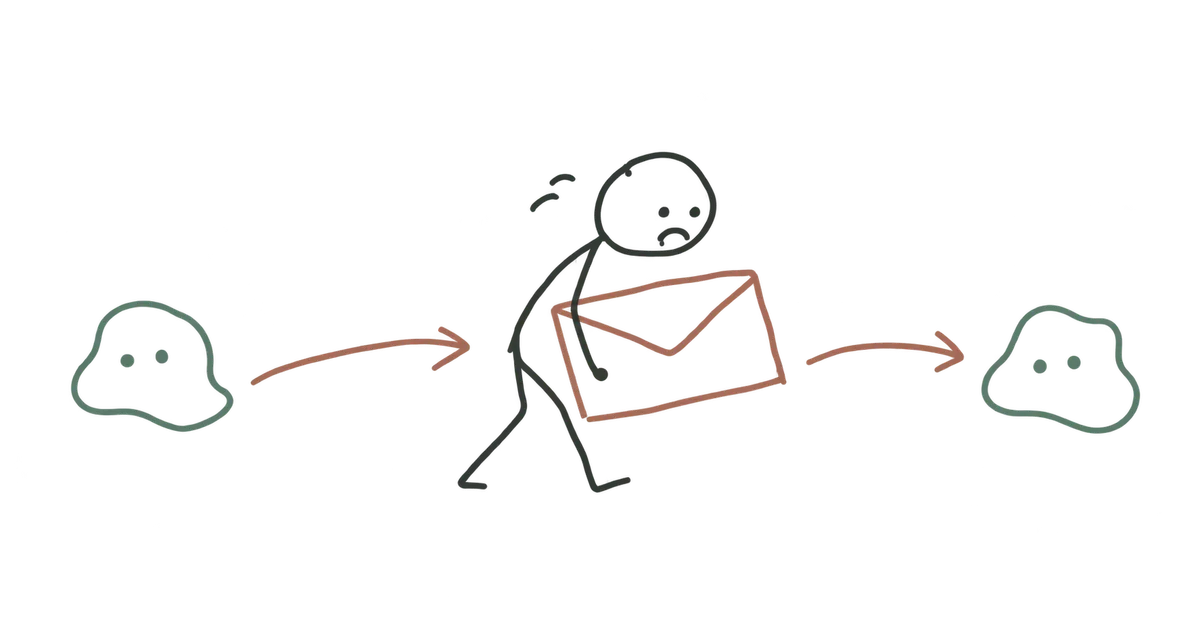
What controlled technical English can improve in AI output, how to write a useful prompt, and how to preserve conditions and facts. Worked examples cover runbooks, RAG, tools and multilingual support.

How to route requests in several languages, handle more than one action, and choose between trained XLM-R and embedding retrieval. Includes Python and E5 results.

How KV cache works, why long chats consume GPU memory, and how to estimate the number of conversations a GPU can hold.

Finite answers, confidence scores, image input and the bill: what OpenAI announced, what Jev documents, and where the sales pitch outruns the evidence.
What document trees can do better than basic vector search, where the 98.7% claim comes from, and why free source code still comes with an inference bill.

A practical experiment with a 4B Qwen student: generate and review labels, train with QLoRA, and measure whether the result earns its inference cost.

What SFT, PEFT, DPO, and PPO actually change, why retrieval can still fail, and how to ship the same mistakes in a smaller file.

How language models link online identities, what the deanonymization experiments actually show, and why removing names is only the start of a privacy review.

From TF-IDF and ModernBERT to GLiClass, LLMs, and TypeSafe's Jev: how they define tasks, produce answers, and handle uncertainty.

A screenshot of Hugging Face's security.txt asks AI agents to go play CyberGym instead. Finally, a use for all those expensive prompt engineering courses.
About 1.5 million characters of prompts and tool definitions appeared online. I went through the files. The permission guidance is funny, the tool documentation mostly makes sense, and somebody has to maintain all of this.
A small change, long Jira ticket, and an AI reviewer that keeps reading. Where the tokens go, why more context makes the review worse rather than better, and why I would give independent services their own repos.